
Niles District Fremont Guide: Antique Shops, Historic Streets, Cafes, and Local Treasures
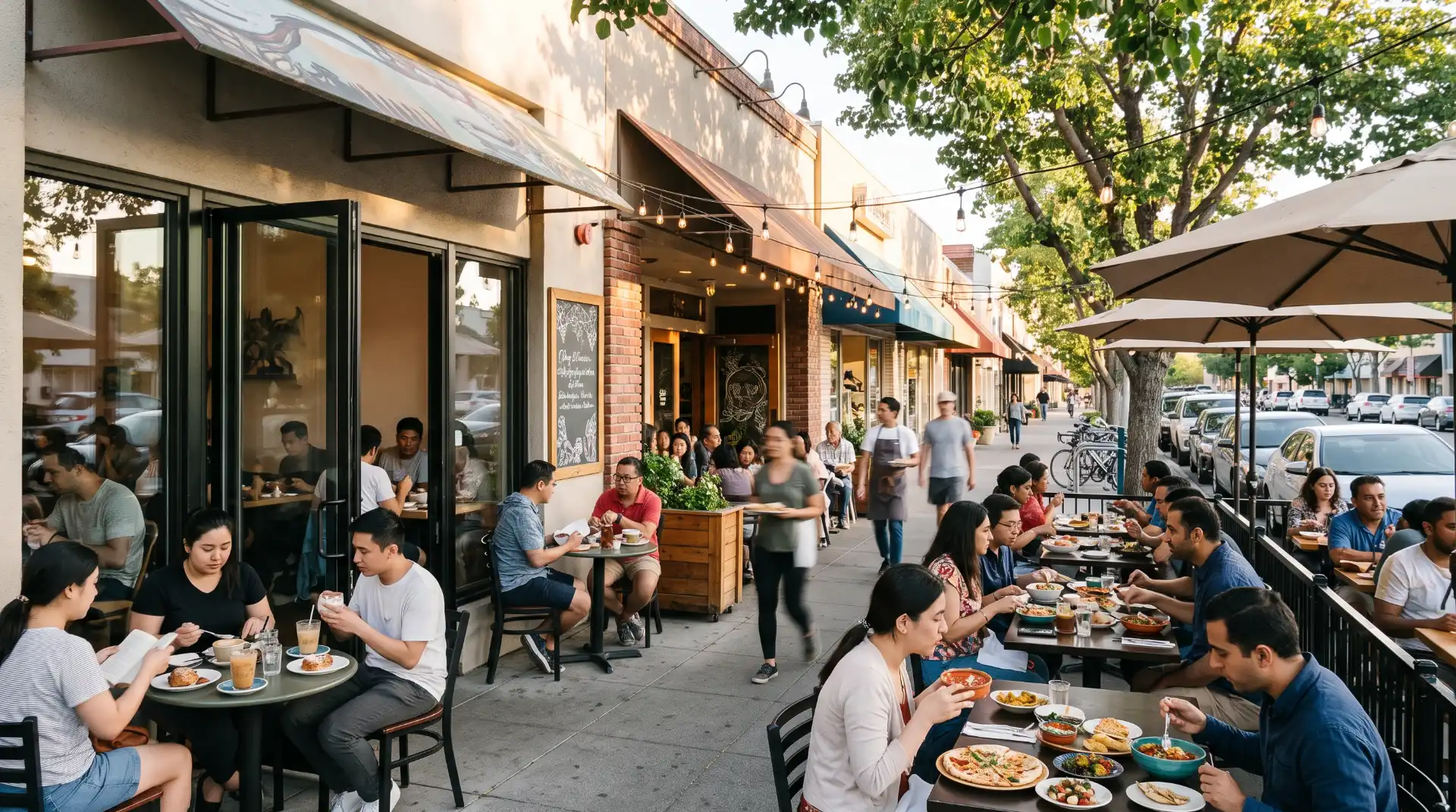
Fremont, California, is known for its diverse neighborhoods, beautiful parks, international food scene, and convenient access to the greater San Francisco Bay Area. Yet one of the city’s most distinctive destinations offers a different kind of experience: the historic Niles District. With its vintage storefronts, antique shops, independent businesses, railroad heritage, and connections to early American cinema, Niles invites visitors to slow down and explore a neighborhood where the past remains part of everyday life.
Located in the southeastern part of Fremont, Niles has a character that sets it apart from modern shopping centers and busy commercial corridors. Its historic streets encourage leisurely walks, its antique stores reward curious shoppers, and its cafes and restaurants make it easy to turn a short visit into a relaxed afternoon. Visitors can browse collectibles, learn about silent film history, discover railroad landmarks, and enjoy a meal without having to travel between widely separated attractions.
The neighborhood also appeals to different kinds of travelers. Bay Area residents can plan a casual weekend outing, families can introduce children to local history, collectors can search for unusual vintage finds, and visitors exploring Northern California can add Niles to a broader Fremont itinerary.
This Niles District Fremont guide covers the area’s history, antique shopping, historic streets, cafes, attractions, seasonal activities, and practical travel advice. Whether you are visiting for the first time or rediscovering a familiar neighborhood, you will find ideas for making your day more interesting, enjoyable, and connected to the local community.
1. Discover What Makes the Niles District Special
Niles is not simply another neighborhood with older buildings. It is a historic commercial district whose identity developed around transportation, industry, entertainment, and small-town commerce. Although it is now part of Fremont, it retains a recognizable downtown atmosphere that feels different from the city’s newer residential and retail developments.
One of the best ways to understand Niles is to walk along Niles Boulevard and explore the surrounding streets at a comfortable pace. Rather than rushing from one attraction to another, spend time looking at shop windows, noticing older architectural details, and stepping inside businesses that catch your attention. Small discoveries often become the most memorable part of a visit.
Antique shops are among the district’s defining attractions. Some specialize in vintage furniture and decorative objects, while others feature collectibles, old photographs, toys, household goods, and curiosities. The variety makes the area appealing even to people who do not consider themselves serious collectors.
Niles also offers a combination of history and everyday neighborhood life. A historic building might house a contemporary business, while a traditional storefront sits near a modern cafe. This mix gives the district its appeal: visitors can experience local history without feeling as though they have entered a museum where everything is frozen in time.
The Niles Main Street Association provides useful information about local attractions, shopping, dining, and community events. Before visiting, explore its official Niles visitor information to learn more about the neighborhood and find current recommendations.
2. Explore the History of Niles, California
From Railroad Junction to Established Community
Niles developed during the nineteenth century as transportation and industry helped shape California’s growth. The community was established in the 1850s and became an important railroad junction connecting routes between Oakland, San Jose, and other destinations.
Railroads influenced where people settled, how goods moved, and which communities grew into commercial centers. In Niles, the railroad helped establish a connection between local businesses and a wider regional economy. The district’s historic identity still reflects that relationship between transportation and community development.
The Niles Canyon area also holds an important place in the history of the First Transcontinental Railroad. The western railroad connection through this corridor helped link the San Francisco Bay Area with the broader national rail network. Its development depended on difficult engineering work and the labor of thousands of Chinese workers, whose contributions are an essential part of the region’s railroad history.
The National Park Service documents the importance of the Niles Canyon Transcontinental Railroad Historic District, including the historic rail corridor between Fremont and Sunol. Learning about this history adds context to the tracks, railroad structures, and transportation landmarks that visitors encounter today.
Niles and the Early American Film Industry
Railroads were only one part of Niles’ story. The neighborhood also became associated with early motion-picture production during the silent film era.
In the early twentieth century, Essanay Studios operated in Niles and helped establish the area as a setting for filmmaking. The studio was associated with performers including Charlie Chaplin, Wallace Beery, and Ben Turpin. Western-themed films and other productions used the surrounding streets and landscapes as backdrops.
For a community of its size, this connection to the early film industry is remarkable. Visitors who associate California filmmaking primarily with Hollywood may be surprised to discover that Niles played a role in the development of American cinema.
The neighborhood’s film heritage continues through the Niles Essanay Silent Film Museum, which preserves and presents material related to silent movies and the history of local filmmaking.
Niles Becomes Part of Fremont
Niles was once an independent community with its own identity and commercial center. In 1956, Niles and several neighboring townships became part of the newly incorporated City of Fremont.
Modern Fremont includes districts such as Niles, Centerville, Irvington, Mission San Jose, and Warm Springs. Each has contributed to the city’s broader identity, and each retains aspects of its original character.
For visitors, this history explains why Fremont can feel different from one neighborhood to another. Niles preserves an older commercial streetscape and a strong connection to its railroad and film heritage, making it particularly rewarding for travelers interested in local history.
3. Antique Shopping in the Niles District
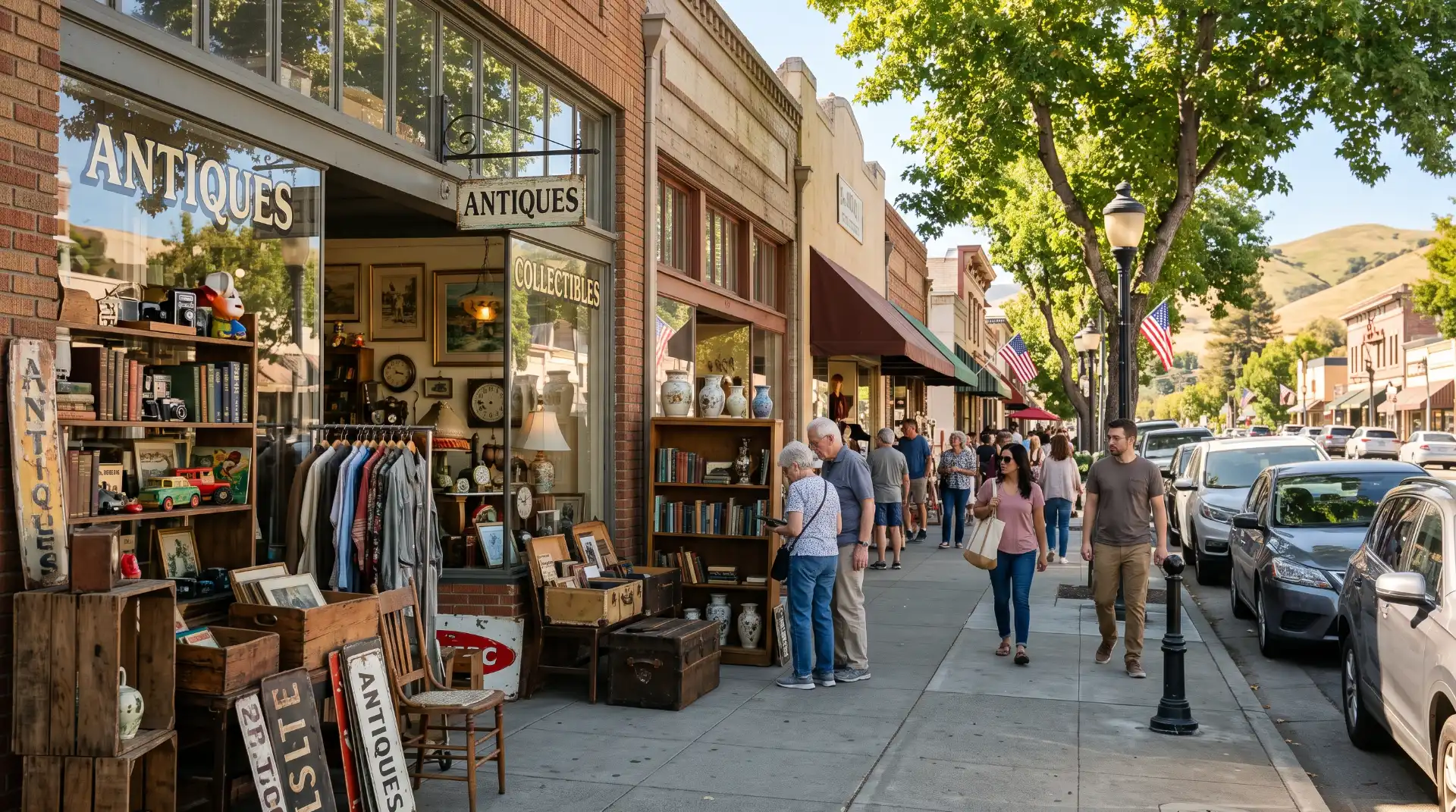
Antique shopping is one of the strongest reasons to visit Niles. The district’s vintage stores create an experience that differs from browsing a conventional shopping mall. Instead of walking through identical retail spaces, shoppers can explore rooms filled with objects from different periods, styles, and collections.
The appeal lies partly in the uncertainty of what you might discover. One visit might reveal an unusual piece of glassware, while another turns up vintage advertising, old books, decorative furniture, or a collectible toy. Inventory changes as items are sold and new pieces arrive, so repeat visits can be worthwhile.
What You Can Find in Niles Antique Shops
The antique and collectible stores around Niles Boulevard offer a range of items, although individual inventories and specialties vary.
Vintage furniture is a good starting point for shoppers interested in home decor. Older chairs, tables, cabinets, mirrors, and accent pieces can add character to a room that would otherwise rely entirely on contemporary furnishings. Before purchasing large furniture, inspect its condition, dimensions, construction, and transportation requirements.
Collectors may prefer smaller objects such as vintage cameras, postcards, pottery, jewelry, books, records, toys, or decorative accessories. These items are easier to carry during a walking trip and can make thoughtful gifts for people who appreciate history or design.
Some shops also feature pieces that appeal to nostalgia. Midcentury household goods, retro kitchen accessories, older advertising signs, and discontinued consumer products can remind visitors of earlier decades. Such objects may be interesting as display pieces even when they are no longer practical for everyday use.
Do not assume that every older-looking item is an antique or that every vintage object is valuable. Age, rarity, condition, maker, demand, and provenance all influence an item’s market value. If authenticity matters to you, ask the seller what is known about the piece and whether supporting documentation is available.
Antique Stores Worth Adding to Your Route
The Niles Main Street Association maintains an antiquing directory for Niles, which is a useful starting point when planning a shopping visit.
Its directory has listed businesses including American Trading Post, Keith’s Collectibles, Les Belles Antiques, Lost in the Attic, Mantiques / Toy Trauma, Memory Lane, My Friends And I, and Paula’s Grandtiques. Store names, merchandise, operating status, and opening hours can change, so check the current directory before setting out.
Rather than trying to visit every store in a fixed order, begin with the businesses that best match your interests. A collector searching for toys may prioritize different shops from someone looking for antique furniture or vintage home decor. Keeping your route flexible leaves time for unexpected discoveries.
Pay attention to the surrounding storefronts, too. Small independent businesses often have limited floor space and distinctive merchandise that is not always represented fully in online listings. If a store catches your eye, it may be worth stepping inside even if it was not on your original list.
Tips for Finding Better Vintage Purchases
Successful antiquing requires patience. Before buying an item, examine it carefully for cracks, loose joints, missing parts, stains, repairs, and signs of excessive wear. Some imperfections are normal for older objects, but condition can affect both price and long-term usefulness.
Ask whether the item has been restored, refinished, repainted, or modified. Restoration can make furniture more practical, but it may also affect its appeal to collectors who value original finishes. For decorative purchases, choose the condition that suits your intended use rather than assuming the oldest or most pristine item is always best.
Compare similar items when possible. A high price does not automatically mean an object is rare, and a low price does not guarantee a bargain. Researching a maker’s mark or searching for comparable pieces can help you make a more informed decision.
For fragile purchases, ask about wrapping and safe transport. If you are driving home, bring reusable shopping bags, padding, and a box for smaller objects. Large purchases may require a separate trip or a delivery arrangement with the seller.
Most importantly, enjoy the process. Antique shopping is as much about discovering stories and craftsmanship as it is about finding a specific object.
4. Walk Along Historic Niles Boulevard
Niles Boulevard is a natural starting point for exploring the district. Its concentration of shops, restaurants, and older commercial buildings makes it suitable for a leisurely walking itinerary.
Walking gives visitors a better opportunity to notice architectural details that might be missed from a car. Look at traditional storefronts, older signs, window displays, decorative trim, and the way businesses have adapted historic-looking commercial spaces for modern use.
The street is also an excellent place to observe the district’s everyday character. Local residents may be stopping for coffee, shoppers may be comparing antique finds, and visitors may be taking photographs or looking for a place to eat. These ordinary moments help distinguish a working neighborhood from a destination designed exclusively for tourists.
Take Your Time Exploring Side Streets
Although Niles Boulevard deserves the most attention, the surrounding area can add variety to a visit. Walk only where pedestrian access is appropriate, observe traffic signals, and avoid entering private property or restricted railroad areas.
Look for details that reveal how the neighborhood has changed. A former commercial building may have a new purpose, while an older streetscape may retain features associated with its earlier role. These details can make a simple walk feel like an informal history lesson.
Photography enthusiasts should consider visiting in the morning or later afternoon, when the light can be softer and storefronts may cast interesting shadows. Ask permission before photographing people closely, and avoid blocking entrances or sidewalks while composing pictures.
If you are interested in architectural history, use official local resources to learn about historic districts and preservation. The City of Fremont’s historic districts information explains how the city’s distinctive neighborhood identities contribute to its character.
Make the Walk Comfortable
Comfortable shoes are useful because antiquing and window-shopping often involve more walking than visitors expect. Sidewalk conditions, storefront access, and the availability of public seating can vary, so plan a pace that suits everyone in your group.
Bring water on warm days and consider a light jacket during cooler weather. The Bay Area can experience changing temperatures throughout the day, particularly when coastal conditions influence local weather.
Visitors with mobility needs should check specific businesses and attractions in advance for entrance arrangements, accessible restrooms, and other facilities. Do not assume every older building has the same accessibility features as a modern commercial property.
A good strategy is to explore a short stretch of the boulevard, take a cafe break, and then continue to another group of shops. This approach keeps the visit relaxed and allows time to appreciate the district instead of treating it as a checklist.
5. Visit the Niles Essanay Silent Film Museum
The Niles Essanay Silent Film Museum is one of the neighborhood’s most distinctive cultural attractions. It offers visitors a way to explore the early history of cinema in a community that once hosted film production.
The museum is particularly relevant to people interested in Charlie Chaplin, silent comedy, early filmmaking techniques, and the development of American movies. Its setting connects the visitor experience to the history being presented, making the attraction feel closely tied to the surrounding neighborhood.
Why the Museum Is Worth Visiting
Modern movie production relies on sound recording, digital cameras, advanced editing systems, and computer-generated effects. Silent-era filmmaking developed under very different conditions. Performers relied on facial expressions, body language, physical comedy, visual composition, and carefully staged action to communicate with audiences.
Learning about these techniques can change the way visitors watch older films. A short silent comedy may reveal impressive timing, elaborate physical performance, and storytelling methods that continue to influence contemporary entertainment.
The museum also helps explain why Niles became associated with filmmaking. Local history becomes more meaningful when visitors can connect names, places, and historic events to surviving collections and film presentations.
Families may find the museum especially engaging when children are curious about how movies were made before modern technology. It can provide a useful contrast to today’s streaming platforms and digital entertainment.
Check Opening Hours and Film Programs
The museum’s official website, Niles Essanay Silent Film Museum, provides visitor information and program details. The museum has listed regular public visiting hours on Saturdays and Sundays from noon to 4 p.m., with separate film screenings and special programs on selected dates. Confirm the current schedule before traveling, as screenings and opening arrangements can change.
If you want to attend a film showing, check whether tickets are required and whether a particular program includes live musical accompaniment or a special presentation. Planning ahead helps you avoid arriving after the museum has closed or missing an event that requires advance booking.
Allow enough time to explore the exhibits and nearby streets rather than scheduling the museum as a very brief stop. Its value comes from understanding the stories behind the artifacts and the neighborhood.
6. Experience the Niles Canyon Railway
For visitors interested in railroad history, the Niles Canyon Railway provides another reason to spend time in the area. Operated by the Pacific Locomotive Association, the railway is a living history museum dedicated to preserving and interpreting historic railroad equipment and practices.
Railroads played a major role in the growth of Niles and the wider Bay Area. Experiencing historic rail equipment can help visitors understand how railway travel once connected communities, moved goods, and shaped regional development.
What Makes the Railway Special?
The railway preserves the atmosphere of an earlier era of American railroading. Depending on the operating date and scheduled equipment, visitors may have opportunities to ride behind historic steam or diesel locomotives and travel through Niles Canyon.
The landscape provides an additional attraction. The route passes through a corridor associated with the history of the western railroad network, offering a different perspective from exploring the neighborhood on foot.
Families with children may find a train excursion especially memorable, while photography enthusiasts can enjoy the combination of historic equipment and canyon scenery. Railroad enthusiasts may appreciate the engineering and preservation work involved in maintaining vintage locomotives and passenger cars.
Plan Your Train Ride in Advance
Visit the official Niles Canyon Railway website to check schedules, available tickets, special events, and boarding information.
Passenger operations follow a schedule that varies by season, and not every day offers a public ride. The railway’s regular operating season and special holiday programs should be checked individually rather than assumed to run daily.
If you plan to ride, arrive according to the railway’s published guidance and allow time for parking and boarding. Wear clothing suitable for the weather because conditions can change along the route. Families should also check policies for strollers, car seats, accessibility, and other needs before purchasing tickets.
A train ride can be combined with antique shopping, lunch, and a visit to the silent film museum. However, avoid packing too many fixed activities into one day if the railway’s departure time is central to your plans.

7. Find Cafes and Restaurants in Niles
A good neighborhood visit includes time to eat, recharge, and enjoy the local atmosphere. Niles Boulevard and nearby streets feature cafes and restaurants that allow visitors to combine shopping with a relaxed meal.
Dining choices can range from coffee and a light snack to casual meals, desserts, and longer sit-down experiences. The best choice depends on your schedule, budget, and whether you want a quick break between stores or a more substantial lunch.
Start With Coffee and a Light Breakfast
Coffee can be a useful first stop, especially if you arrive in the morning and plan to spend several hours exploring antique shops. A cafe gives you time to review the day’s plan, check opening hours, and decide which attractions matter most.
The neighborhood’s local dining directory has listed businesses such as Devout Coffee and other eateries along Niles Boulevard. Because business hours and menus change, use the Niles dining directory to review current listings before your visit.
If you prefer a relaxed morning, choose a place where you can sit down rather than rushing through a takeaway order. A short break at the start of the day makes it easier to enjoy a longer walking route.
Enjoy a Casual Lunch
Lunch is a convenient opportunity to pause between shopping stops. A casual restaurant can accommodate a range of preferences, from a simple meal to a more leisurely dining experience.
The local directory has included restaurants and cafes such as Bronco Billy’s Pizza, Joe’s Corner, and other neighborhood eateries. Check current menus, prices, and hours before choosing a destination, particularly if you have dietary restrictions or are visiting with a large group.
If you are shopping for fragile or valuable items, consider eating before making your largest purchases. This avoids having to carry bulky bags through a restaurant or leave purchases unattended while you eat.
Leave Room for Dessert
A sweet treat can make a family outing more enjoyable, particularly after a long stretch of walking. Ice cream, baked goods, or another small dessert provides a natural reason to slow down before continuing your exploration.
Look for locally listed dessert businesses and confirm availability before making a special trip. If you are visiting during warm weather, consider whether you want to enjoy your treat at the shop or find a suitable outdoor seating area nearby.
Support Independent Local Businesses
Choosing a local cafe or restaurant is also a way to support the district’s commercial community. Independent businesses contribute to the neighborhood’s personality and help make historic streets active places rather than simply backdrops for photographs.
Be considerate during busy periods, especially when seating is limited. If you occupy a table for an extended period while working or using a laptop, order appropriately and follow the establishment’s policies.
For more Fremont-wide food inspiration, Fremont Finds also features A Guide to Fremont’s Diverse Dining Scene, which can help you plan additional dining stops beyond Niles.
8. Discover Unique Gifts and Local Treasures
Antiques are only one part of the shopping experience. Niles is also a place to search for distinctive gifts, decorative objects, collectibles, and small items that feel more personal than mass-produced products.
A gift does not have to be expensive to be meaningful. A vintage postcard, unusual book, small piece of pottery, or retro accessory can make a thoughtful present for someone who appreciates history, craftsmanship, or nostalgic design.
Shop for Gifts With a Story
Consider the recipient’s interests before you start shopping. Someone who enjoys gardening might appreciate vintage botanical prints or garden-related decor. A film enthusiast may enjoy a cinema-themed collectible, while a collector of old advertising could prefer a small sign or printed item.
If you are buying a gift for someone else, check the condition carefully and ask about packaging. Fragile objects may need protective wrapping, and certain vintage items may not be suitable for children if they contain small parts, sharp edges, lead-containing materials, or other hazards.
Look Beyond Conventional Souvenirs
One advantage of shopping in an established historic district is the opportunity to find objects that reflect local character. Instead of purchasing a generic souvenir, you might find a vintage item that connects to California history, early transportation, film, or a particular design period.
Keep in mind that an object described as vintage may not have been manufactured locally. Ask questions if the item’s origin is important to you, and avoid assuming that every collectible has a direct connection to Niles.
Make a List, but Stay Flexible
Having a shopping list can help prevent impulse spending. Decide how much you want to spend before visiting and distinguish between items you genuinely want and things that merely look interesting in the moment.
At the same time, leave room for surprises. The pleasure of antiquing comes partly from finding something you did not know existed. A balanced approach lets you stay within budget while enjoying the unexpected discoveries that make Niles worth visiting.
9. Attend Seasonal Events and Community Activities
Niles has a community calendar that can add another dimension to a visit. Seasonal events may include antique fairs, arts and garden activities, car shows, movie programs, concerts, and holiday celebrations.
These events offer a different way to experience the neighborhood. Instead of focusing only on individual shops, visitors can enjoy a broader gathering of vendors, performers, local organizations, and residents.
Antique Fairs and Flea Markets
An antique fair or flea market can be particularly appealing to shoppers who enjoy browsing a wide range of goods in one visit. Events may bring together vendors offering collectibles, vintage household objects, art, crafts, and other merchandise.
If you plan to attend an event, confirm the date, hours, vendor arrangements, parking information, and any admission requirements through the organizer. Special events may create heavier pedestrian and vehicle traffic than a normal shopping day.
Arriving early can provide more time to browse, while visiting later may suit people who prefer a more relaxed pace. Vendor inventories and availability vary, so do not expect every item advertised in general event descriptions to be present at every fair.
Film Screenings and Cultural Programs
The silent film museum and local community organizations may host screenings or related events throughout the year. These programs can provide a more focused look at Niles’ cultural history than a general walking tour.
Check official schedules before making plans, especially if you are visiting from outside the Bay Area. Some programs may be seasonal, ticketed, or held outside normal museum hours.
Holiday Activities
As the holiday season approaches, visitors may find community events and festive activities that make the historic district appealing for an evening or weekend outing. The Niles Canyon Railway’s Train of Lights is one notable seasonal attraction, although tickets and operating dates depend on the published annual schedule.
For the 2026 season, the railway has published specific operating dates and reported that Train of Lights tickets were sold out as of October 3, 2026. Visitors should check the official event page for any new announcements rather than assume that tickets remain available.
Use the Niles Main Street Association events calendar and the railway’s official website to verify current details. Event information can change, and an old social media post or third-party listing may not reflect the latest arrangements.
10. Family-Friendly Things to Do in Niles
Niles can be a rewarding destination for families because its attractions combine outdoor exploration, local history, shopping, and opportunities for breaks.
A family visit does not need to involve a packed itinerary. In fact, children may enjoy the district more when they have time to look at interesting objects, notice old buildings, and ask questions instead of being hurried between several destinations.
Turn the Neighborhood Into a History Hunt
Create a simple activity by asking children to find examples of older signs, unusual shop displays, railroad references, or objects that look different from the things they see at home.
You can also discuss how people traveled before cars became common, how early filmmakers made movies without recorded dialogue, and how shops served communities in earlier decades. These conversations make history more tangible without requiring a formal lesson.
Set clear boundaries around roads, parking areas, railroad property, and shop merchandise. Children should understand that vintage objects may be fragile and that they need permission before handling items in stores.
Choose Attractions Based on Age and Interests
Younger children may be most interested in a train ride, ice cream stop, or colorful shop window. Older children and teenagers may enjoy learning about early cinema, photographing architectural details, or searching for vintage collectibles.
Check age recommendations and accessibility details for individual attractions. A museum screening or long shopping session may not be the best fit for every child, so build the day around the interests and attention spans of your group.
Plan Breaks and Keep Expectations Realistic
A few well-chosen activities are usually better than a long list of stops. Start with one main attraction, allow time for lunch, and decide whether you have enough energy for additional shopping afterward.
Bring water, weather-appropriate clothing, and any supplies your family needs. If you are visiting with a stroller or someone who has mobility limitations, verify access at individual businesses and attractions.
Most importantly, give children the opportunity to discover something for themselves. Finding an unusual toy, watching a train pass, or learning an unexpected local fact can become the highlight of the trip.
11. A Simple One-Day Niles District Itinerary
If you have one day to explore Niles, a flexible itinerary can help you experience its main attractions without making the visit feel rushed.
Morning: Coffee and Historic Street Exploration
Begin with breakfast or coffee at a local cafe. Check the current opening hours before you arrive, then walk along Niles Boulevard and browse the storefronts.
Spend the morning visiting antique shops that match your interests. Take your time comparing objects, asking questions, and enjoying the atmosphere. If you are particularly interested in furniture or fragile collectibles, consider saving major purchases until you are ready to return to your vehicle.
Late Morning: Explore Film History
If the museum is open, visit the Niles Essanay Silent Film Museum and explore its exhibits. Check the official schedule in advance, because its regular public hours and screening times differ.
If the museum is closed, you can still explore the district’s film heritage through local historical resources and plan a return visit for a day when the museum is open.
Lunch: Enjoy a Local Restaurant
Choose a restaurant or cafe from the current Niles dining directory. Allow enough time for a proper break instead of eating while rushing between attractions.
Lunch is also a good opportunity to review the afternoon schedule and check whether any special event is taking place.
Afternoon: More Shopping or Railroad History
Return to the antique shops you missed earlier, look for a gift, or explore the area’s railroad connections. If you have booked a Niles Canyon Railway excursion, arrange the rest of your day around the confirmed departure time.
Do not assume a train will be operating simply because the railway is nearby. Check the official schedule and ticket availability before building your itinerary around a ride.
Late Afternoon: Finish With a Relaxed Stop
End the day with a dessert, coffee, or final walk along the historic streets. This gives you time to enjoy the neighborhood without rushing back to the car immediately after the last attraction.
If you have more time in Fremont, consider extending your trip with ideas from Fremont Finds’ guide to Fremont attractions and hidden gems. A broader itinerary can combine Niles with parks, other historic districts, and additional dining destinations around the city.
12. Practical Tips for Visiting Niles
Best Time to Visit
The best time to visit depends on your priorities. Weekends may be convenient for exploring attractions and attending scheduled programs, but individual businesses have different opening hours. If antique shopping is your main goal, check store schedules before choosing a date.
A weekday visit may offer a quieter atmosphere, although some smaller shops and attractions may be closed. Do not assume every business follows the same schedule as the neighboring stores.
For seasonal events, plan around the official calendar and book tickets early when necessary. Popular train excursions and community events may attract visitors from across the Bay Area.
Getting There and Parking
Niles is part of Fremont in Alameda County, California, and is accessible by road from other parts of the Bay Area. Visitors driving from nearby communities should check their preferred navigation service for current traffic conditions and parking options.
Street parking and designated parking areas may be available near parts of the commercial district, but availability varies with the day, time, and presence of special events. Read posted signs carefully, observe time limits, and avoid blocking driveways or business entrances.
If you are using public transportation or rideshare services, check current routes and drop-off arrangements before leaving home. Transit options and schedules can change, and the most convenient route depends on your starting point.
Budgeting for the Day
Niles can accommodate different budgets. Walking through the district and looking at storefronts costs little, while purchases, restaurant meals, museum programs, and train tickets add to the total.
Set a spending limit for antiques before you begin shopping. Vintage merchandise is often unique, which can make impulse purchases tempting. Taking a photograph of an item and thinking about it before buying can help you decide whether it fits your needs.
Remember to account for parking, transportation, food, and event admission when planning your day. If you intend to buy large furniture or multiple fragile items, factor in the cost of safe transportation.
Accessibility and Comfort
Historic commercial areas may have a mix of building ages, entrances, sidewalks, and restroom arrangements. Visitors who need step-free access, accessible restrooms, or additional assistance should contact individual businesses and attractions ahead of time.
Wear comfortable shoes, carry water, and dress for the weather. The Bay Area’s conditions can change during the day, so layers are often useful.
Be mindful of other pedestrians, cyclists, drivers, and people entering or leaving stores. The neighborhood is both a destination and a working community, so respectful behavior helps preserve a pleasant experience for everyone.
13. Responsible Shopping and Historic Preservation
Part of Niles’ appeal is its surviving historic character. Visitors can help support that character by shopping locally, treating historic buildings with care, and respecting the people who live and work in the neighborhood.
Purchasing from independent stores can help sustain the commercial activity that makes the district interesting. A meal at a neighborhood restaurant, a small purchase from an antique dealer, or attendance at a local event can contribute to the area’s continued vitality.
Historic preservation also involves recognizing that older objects and buildings may be fragile. Avoid touching displays without permission, climbing on structures, entering closed spaces, or removing objects from their surroundings.
When photographing historic sites, remain on public paths and follow posted instructions. Railroad corridors deserve particular caution: tracks and railway property are not safe places for casual walking or photography unless the railway explicitly permits access.
Responsible shopping includes asking questions about materials and condition. If you are purchasing an older item intended for everyday use, make sure it is safe and suitable for that purpose. Some vintage products may not meet modern safety standards, and older painted objects may require additional care.
Supporting preservation does not mean expecting every business or building to remain unchanged. Historic neighborhoods evolve as businesses open, close, and adapt. The goal is to appreciate the district’s past while respecting its present-day community.
14. Why Niles Belongs on Your Fremont Travel List
Niles offers something that many modern shopping destinations cannot easily reproduce: a sense of place rooted in local history. Its antique shops encourage discovery, its streets reward slow exploration, and its railroad and film attractions reveal important chapters in California’s development.
The district is also approachable. You do not need to be an expert collector, a dedicated railroad enthusiast, or a silent-film historian to enjoy a visit. A few hours of browsing, a good meal, and a walk through the historic commercial area can be enough to make the trip worthwhile.
For Fremont residents, Niles is an opportunity to rediscover a distinctive part of the city. For visitors, it provides an alternative to more familiar Bay Area attractions. For families, it offers opportunities to connect entertainment with education. And for shoppers, it provides the possibility of finding an object with character and a story.
The most rewarding visit is one that leaves room for unexpected discoveries. You might arrive looking for antique furniture and leave having learned about early filmmaking. You might plan to visit a museum and end up spending an hour browsing a shop you had never noticed. Or you might simply enjoy coffee on a historic street and decide to return for a train excursion or seasonal event.
Whatever brings you to the neighborhood, Niles offers an experience that feels personal rather than hurried.
Conclusion: Make Your Next Visit to Niles Memorable
The Niles District in Fremont, California, deserves a place on the itinerary of anyone who enjoys local history, independent shopping, distinctive cafes, and relaxed neighborhood exploration. From antique stores and vintage collectibles to the Niles Essanay Silent Film Museum and Niles Canyon Railway, the area combines several different experiences within a historic community.
A successful visit starts with a little planning. Check current business hours, verify museum and railway schedules, review community event listings, and allow enough time to explore without rushing. Wear comfortable shoes, set a shopping budget, and leave room for the discoveries that make a historic district special.
Whether you are planning a Bay Area weekend outing, searching for unusual gifts, learning about California’s railroad heritage, or looking for new places to explore in Fremont, Niles offers a memorable blend of history and everyday local life.
Add the neighborhood to your Fremont travel plans, support its independent businesses, and take the time to appreciate the details that make it unique. Sometimes the best local discoveries are found not in the biggest attractions, but along a historic street where every storefront offers another reason to stop and look.